


In today’s rapidly changing world, academic knowledge alone is no longer enough for student success. Learners must also develop the ability to understand emotions, manage stress, communicate effectively, and adapt to challenges. This is where emotional intelligence in education becomes essential.
At MadeAway, we believe in Learning Without Limits—an approach that nurtures the whole learner. By integrating emotional intelligence into education, schools and parents can build resilient learners who are prepared not only for exams, but for life beyond the classroom.
What Is Emotional Intelligence and Why It Matters in Education
Emotional Intelligence (EI) refers to the ability to recognize, understand, manage, and use emotions effectively—both one’s own and those of others. In an educational setting, EI supports students in balancing emotional well-being with academic performance.
Emotionally intelligent students are better equipped to handle pressure, remain motivated during challenges, and build healthy relationships with peers and teachers. These skills strongly complement academic learning supported by structured resources such as NCERT Solutions by MadeAway.

Core Elements of Emotional Intelligence in Students
Emotional intelligence develops through interconnected abilities that support both learning and personal growth. Self-awareness helps students recognize their emotions and understand how feelings affect behavior. Self-regulation enables them to manage stress, control impulses, and stay focused during exams and assessments.
Motivation drives perseverance and curiosity, especially when learning complex subjects through platforms such as Smart Academic Content. Empathy and social skills help students collaborate effectively, creating inclusive and emotionally safe classrooms.
How Emotional Intelligence Builds Resilient Learners
Resilience is the ability to recover from setbacks, adapt to change, and continue learning despite difficulties. Emotional intelligence strengthens resilience by helping students view mistakes as part of the learning process rather than as failures.
Emotionally intelligent learners are more likely to:
- Stay calm under academic pressure and learn from mistakes
- Handle peer relationships and social challenges with confidence
Students report feeling less frustrated and more confident—two crucial elements of resilience—when they receive guided explanations, like Live Q&A Solutions.
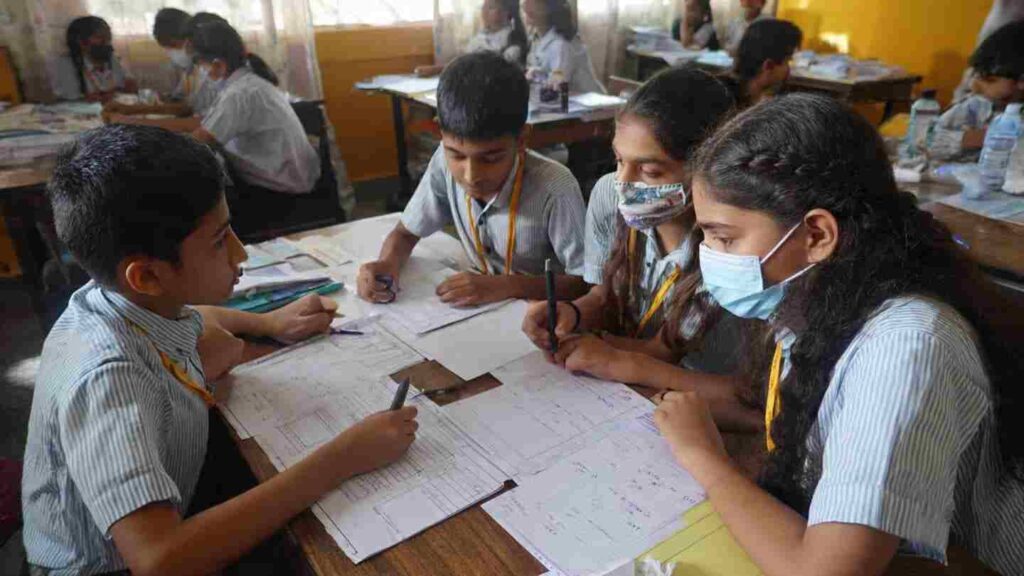
The Role of Teachers and Schools in Developing Emotional Intelligence
When it comes to setting an example of emotional intelligence, teachers are crucial. When educators demonstrate empathy, patience, and reflective thinking, students naturally adopt similar behaviors. Emotionally safe classrooms encourage open communication and respectful dialogue.
Integrating emotional intelligence does not require a separate curriculum. Group discussions, reflective activities, collaborative projects, and positive feedback can be seamlessly combined with subject learning, especially when aligned with K–12 Content Creation Services.

Emotional Intelligence and Academic Success
Students with strong emotional intelligence consistently show better academic outcomes. They demonstrate improved concentration, stronger memory retention, and fewer behavioral challenges. By managing emotions like fear and frustration, learners remain engaged even in demanding subjects such as mathematics, physics, and chemistry.
This balanced approach supports holistic education development, which is central to MadeAway’s mission of delivering meaningful and effective learning experiences.
Supporting Emotional Intelligence at Home and in Digital Learning
Parents reinforce emotional intelligence by encouraging children to talk about their feelings, focusing on effort instead of results, and modeling calm responses during stressful situations. These practices strengthen emotional awareness and self-confidence.
In digital learning environments, emotional intelligence is equally important. Self-paced learning, constructive feedback, and interactive content—such as MadeAway’s Digital NCERT Resources—help students remain motivated and emotionally balanced.

Long-Term Benefits of Emotional Intelligence in Education
Students who develop emotional intelligence early carry these skills into adulthood. Emotionally intelligent individuals communicate clearly, manage workplace stress effectively, adapt to change, and build meaningful relationships. These abilities are essential for success in higher education, careers, and personal life.
Conclusion: Building Resilient Learners Through Emotional Intelligence
Emotional intelligence in education is no longer optional—it is essential. By nurturing emotional development alongside academics, schools and families can raise resilient, confident, and compassionate learners.
At MadeAway, we are committed to creating educational content that empowers students emotionally and academically. Together, we can build an education system that prepares learners not just for exams, but for life.

Frequently Asked Questions (FAQs)
1. What is emotional intelligence in education?
Emotional intelligence in education refers to helping students understand, manage, and express their emotions effectively while also developing empathy and social skills. It supports academic success, emotional well-being, and resilience, enabling students to cope with stress, failure, and real-life challenges more confidently.
2. Why is emotional intelligence important for students?
Emotional intelligence is important because it helps students manage academic pressure, improve focus, build healthy relationships, and develop resilience. Emotionally intelligent students are more motivated, less anxious, and better prepared for lifelong learning and personal growth.
3. How does emotional intelligence help build resilient learners?
Emotional intelligence helps build resilient learners by teaching students how to regulate emotions, learn from mistakes, and adapt to challenges. When students understand their emotions, they recover faster from setbacks and approach problems with confidence instead of fear.
4. Can emotional intelligence improve academic performance?
Yes, emotional intelligence can significantly improve academic performance. Students with strong EI show better concentration, improved memory, fewer behavioral issues, and higher engagement in learning—especially when supported by structured resources like NCERT-aligned academic content.
5. In what ways can educators foster emotional intelligence in the classroom?
Teachers can promote emotional intelligence by creating emotionally safe classrooms, encouraging open discussions, modeling empathy, using collaborative activities, and providing constructive feedback. Simple practices such as reflection, mindfulness, and group learning effectively support EI development.
6. What role do parents play in developing emotional intelligence?
Parents play a crucial role by encouraging children to express emotions, focusing on effort rather than results, and modeling calm behavior during stress. These everyday interactions strengthen emotional awareness, confidence, and resilience at home.
7. How does emotional intelligence support digital and online learning?
In digital learning environments, emotional intelligence helps students stay motivated, manage screen-related stress, and learn independently. Self-paced platforms, interactive content, and positive feedback—such as MadeAway’s digital learning resources—support emotional balance in online education.
8. Is emotional intelligence part of holistic education?
Yes, emotional intelligence is a core part of holistic education. It ensures students develop emotionally, socially, and academically, preparing them not only for exams but also for future careers and personal life.